Maintaining gate hinges
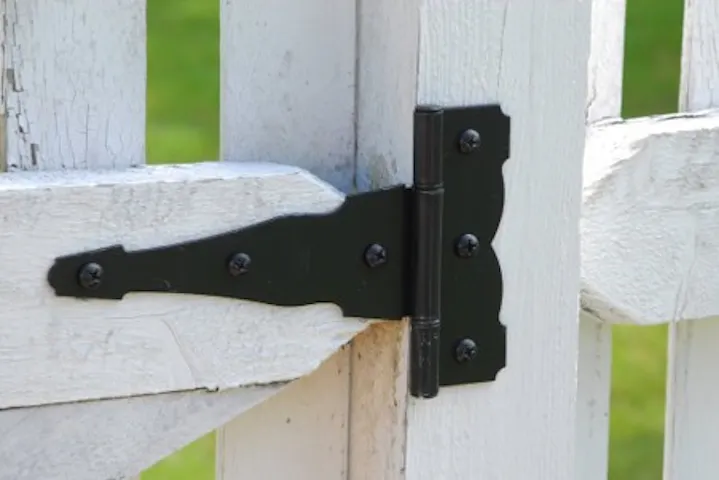
Properly maintaining gate hinges helps to ensure gates continue to operate smoothly and remain secure over time. It’s important to inspect gate hinges for signs of wear, such as rust or corrosion, loose fixings, squeaking or stiff movement, and sagging.
If your gate hinges are squeaking or not opening or closing as smoothly, lubricating moving parts will help to reduce friction. Surface rust or corrosion in the hinges can be treated using a suitable cleaning solution, and tightening loose fixings will help to improve stability and prevent further movement.
These methods are great for resolving minor gate hinge issues, but in some instances these problems are beyond repair. If a replacement is necessary, using the existing fixing holes where possible, choosing the correct hinge type for your gate, and installing the new hinges correctly will ensure safe and reliable operation.
Enhancing gate security
Gates play an important role in enhancing security and helping to keep homes and businesses safe and secure. If your current lock or latch is damaged, or you’re in need of a more heavy-duty option, upgrading your gate hardware will help improve security.
The two types of locking hardware most commonly associated with gates are gate catches and gate bolts.
Gate catches prioritise convenience due to their self-latching mechanism, which automatically engages when the gate closes without the need for manual locking. However, many standard gate catches are not designed to provide a high level of security. They often allow the gate to be opened from either side, making them better suited to gates where restricting access is not a main priority.
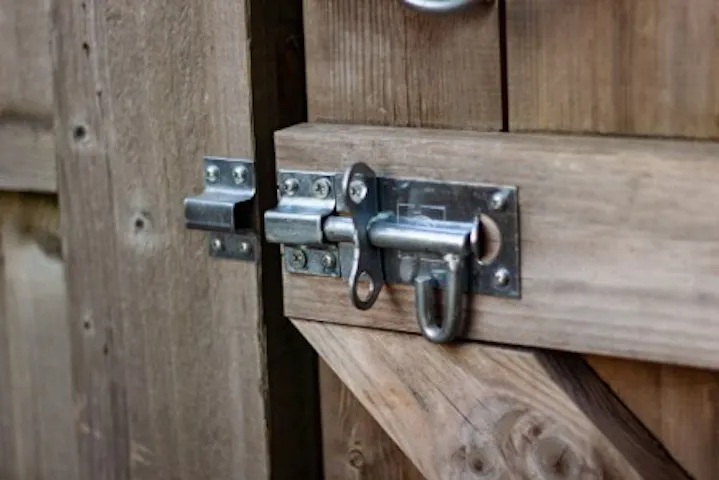
Gate bolts are a more secure option, consisting of a sliding bolt mechanism that can be secured in place. They do not require double-sided operation, and many bolts can be fitted with a padlock for added security. It’s important to remember to manually lock the gate if a bolt is installed, as the mechanism does not activate automatically.
Adding the finishing touches
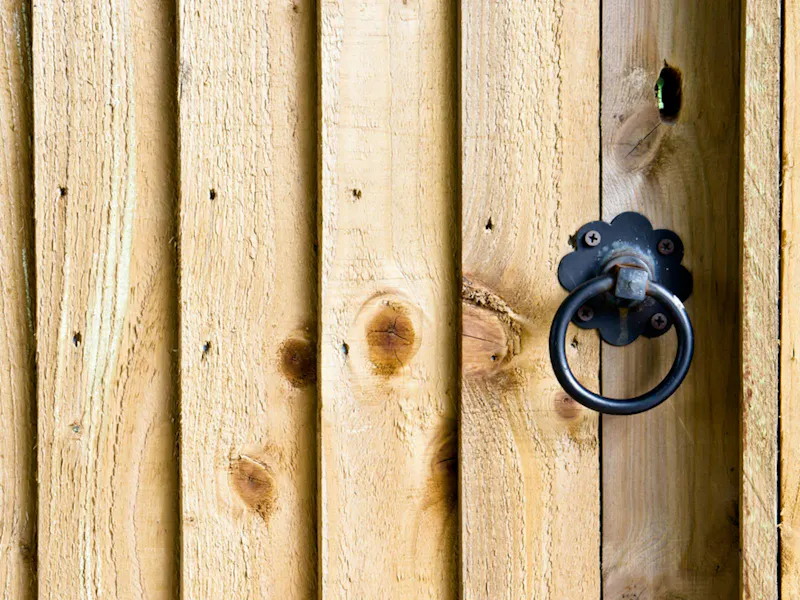
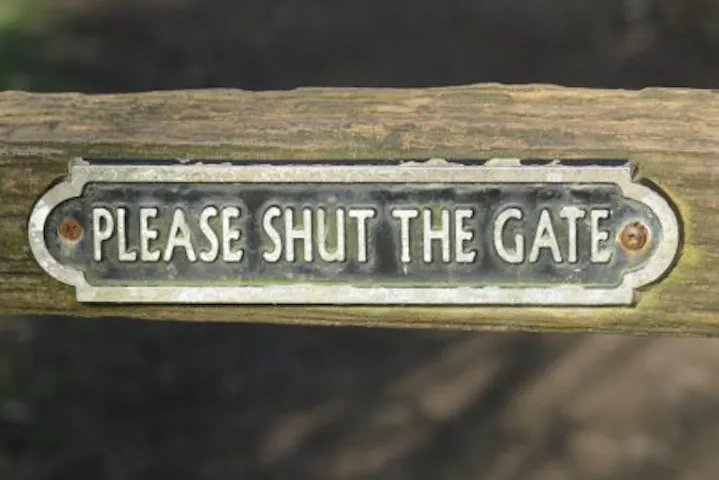
Adding finishing touches to gates helps ensure they remain both functional and visually appealing. Sanding areas and applying wood stain or high-quality paint on wooden gates helps to protect the timber from the elements. Replacing worn or damaged handles with new gate hardware is another way to improve the look and usability of the gate. Practical accessories such as gate signs and house numbers can enhance convenience by communicating important information and making a property easier to identify.
Next steps for gate maintenance
You’re now aware of the importance of gate maintenance, and the simple upgrades that can transform the appearance and performance of your gate. At IronmongeryDirect, we stock a wide range of gate hardware, hinges, catches, bolts, and accessories, helping you to find everything needed to maintain and improve your gate.
FAQs
How long does it take to fit a garden gate?
Fitting a garden gate typically takes anywhere between one to four hours, depending on the size of the gate, experience level, and the condition of the gate posts. It’s important to check the manufacturer’s instructions to ensure the correct tools and hardware are used for a successful installation.
How do you refurbish a wooden gate?
To refurbish a wooden gate, we recommend checking for any damage, cleaning the gate, and repairing any loose hinges. Doing these steps, as well as using wood filler to repair any cracks or imperfections, will enhance the appearance of the gate.
What are the common problems with outdoor gates?
Common problems with outdoor gates include sagging, sticking, and misalignment. These can be improved by making gate hardware upgrades such as replacing worn hinges and fixings, helping to refresh the appearance of the gate and improve functionality.
Why does my wooden gate keep dropping?
Wooden gates can begin to drop due to wear on the hardware, the humidity of the environment it’s in, and stress on the hinges. Upgrading hardware such as hinges and gate bolts is a good way to improve alignment and restore smooth operation.
What is the best material for a garden gate?
The best materials for garden gates will depend on the environment they’re installed in and the desired appearance. Wooden gates are a great addition to traditional outdoor areas, due to their versatile design and natural aesthetic, whereas metal gates are ideal for high-traffic or security-focused settings because of their durable construction and long-lasting performance.
What are common gate design mistakes?
Common gate design mistakes include positioning gates incorrectly and choosing gate finishes and styles that don’t complement the surrounding outdoor space. Upgrading gate hardware and choosing finishes and designs that match existing garden features and gate styles will help blend functionality with aesthetic appeal.